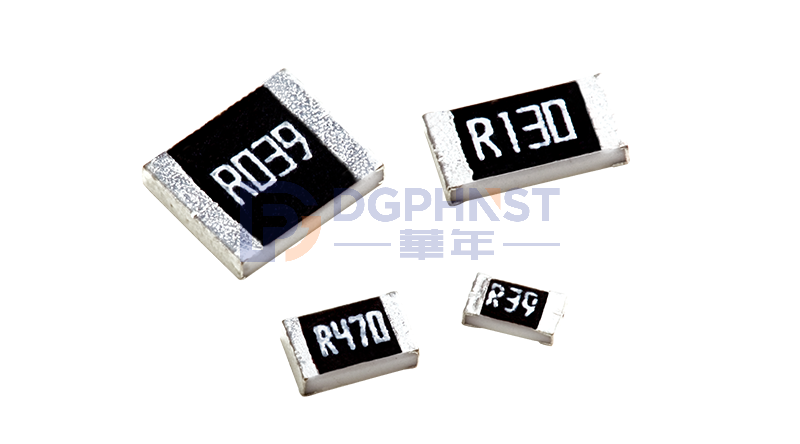
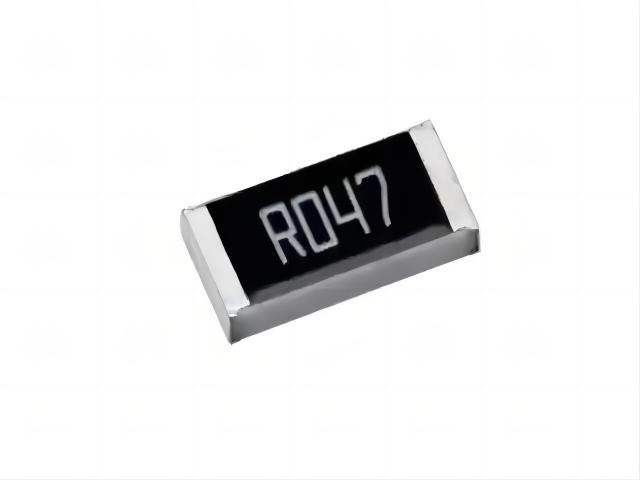
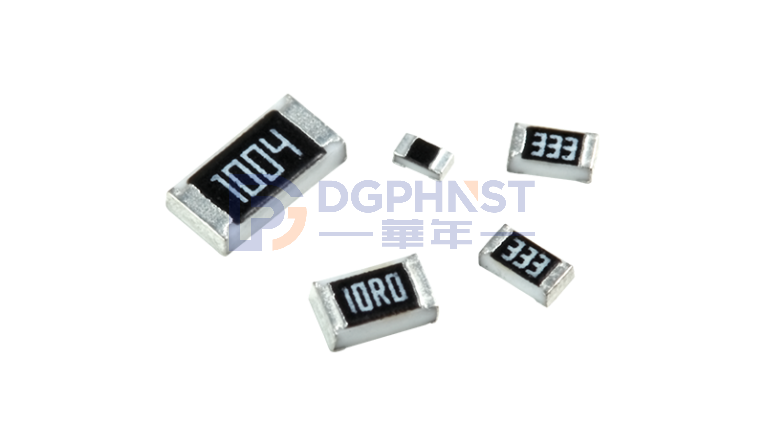
This article provides a comprehensive comparison between these two types of resistors, focusing on RoHS, REACH, lead‑free environmental requirements, as well as key characteristics such as low temperature coefficient of resistance (TCR), high accuracy, and high power. Data analysis shows that alloy resistors excel in multiple performance dimensions, making them particularly suitable for modern demanding circuit designs. In addition, this article uses the key phrase “alloy resistor” frequently to enhance reader understanding and meet search engine optimization (SEO) requirements.
Metal film resistors are reshaping the industry landscape through technological innovation, providing more reliable component solutions for automotive electronics, industrial automation, medical instruments, communication base stations and other fields. This article provides a comprehensive analysis of metal film resistor development trends in 2026 from five dimensions: market landscape, environmental compliance, low temperature drift characteristics, highprecision performance, and highpower technology.
The EAM16FT3R74DES is a high-performance anti-sulfur metal film chip resistor with a standard 1206 package, rated resistance of 3.74Ω (3.74R), stable power rating of 1W, and precision tolerance of 1%, which is widely adopted in modern industrial electronics, consumer appliances, automotive electronics, power control modules and high-reliability circuit design scenarios.
The 1206 3.24Ω (3.24R) 1W 1% EAM16FT3R24DES anti - sulfur resistance metal film chip resistor stands out as a remarkable product, offering a combination of advanced features and reliable performance.
The 1206 2.74Ω (2.74R) 1W chip resistor represents a specialized solution designed for demanding applications. This detailed introduction focuses on the EAM16FT2R74DES model, a premium Anti-Sulfur Low-Resistance Metal Film Chip Resistor that excels in harsh environments while offering exceptional power handling and stability.
Metal film resistors are common components in high-frequency circuits, and many engineers are concerned about whether they have parasitic inductance?The answer is affirmative. Metal film resistors do have parasitic inductance, but it is relatively small.
Metal film resistors play an important role in precision circuits due to their excellent accuracy and temperature stability. Among them, a 50ppm low-temperature drift (TCR, i.e. temperature coefficient of resistance) is a fairly typical performance indicator. Compared to the temperature drift of carbon film resistors at 200-500ppm/℃, the temperature drift of metal film resistors is only one fourth to one tenth of the former. So, how does metal film resistance achieve low-temperature drift at the 50ppm level? The following is a breakdown from three aspects: material selection, thin film process, and heat treatment mechanism.
As an electronic engineer or hardware enthusiast, I believe you often encounter metal film resistors and alloy resistors. Many people may have had a question: if nickel chromium alloy is also used for metal film resistors, is it considered an alloy resistor? This question may seem simple, but it involves deep differences in materials science, manufacturing processes, and application scenarios.
The simple and direct conclusion is that metal foil resistors are the ceiling in the field of precision resistors, while metal film resistors are a balanced approach that balances performance and cost. Understanding their differences can help you design circuits without falling into pitfalls due to insufficient selection or wasting budget due to excessive performance.
In the selection of electronic components, surface mount metal film resistors have become the core components of precision circuit design due to their high precision, low temperature drift, and excellent stability. Whether it's industrial control, automotive electronics, or medical equipment, choosing the right product line and reliable suppliers directly affects product performance and long-term reliability. Starting from practical applications, this article provides a detailed overview of the core parameters, mainstream brand series, and selection points of surface mount metal film resistors, helping engineers quickly find the optimal solution.