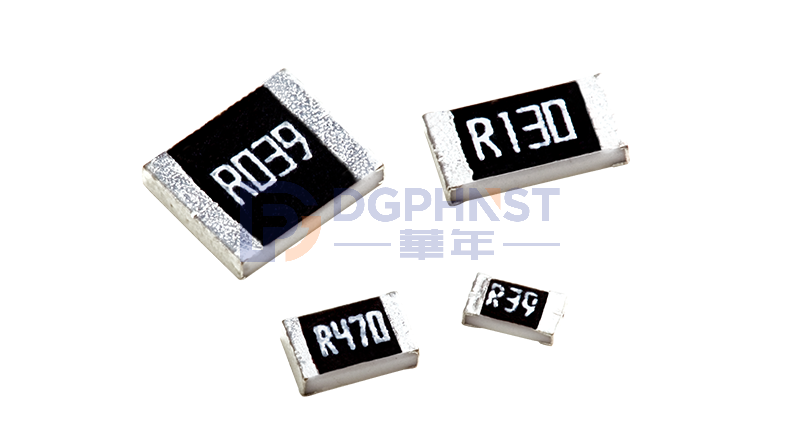
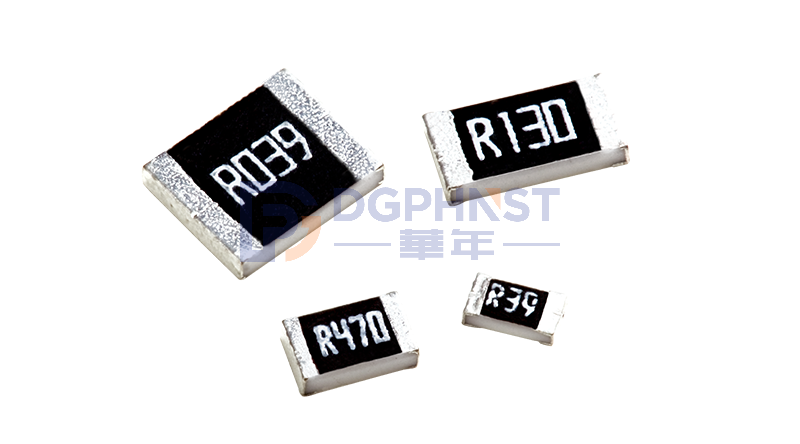
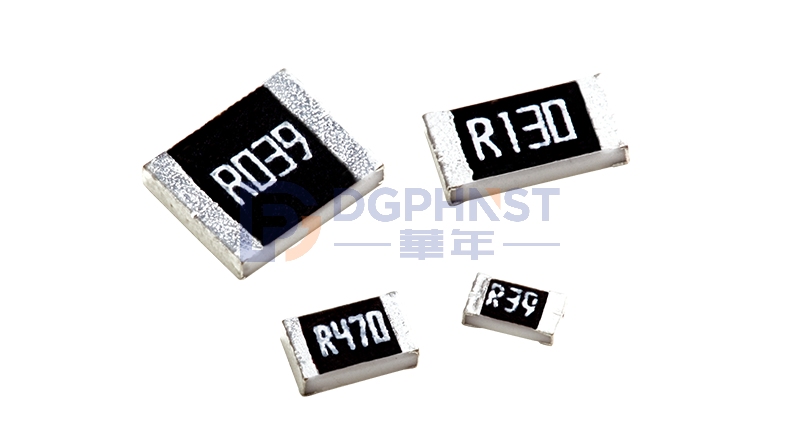
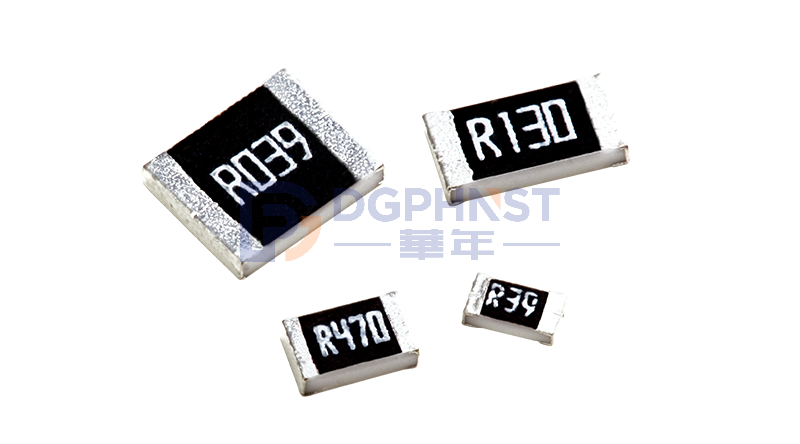
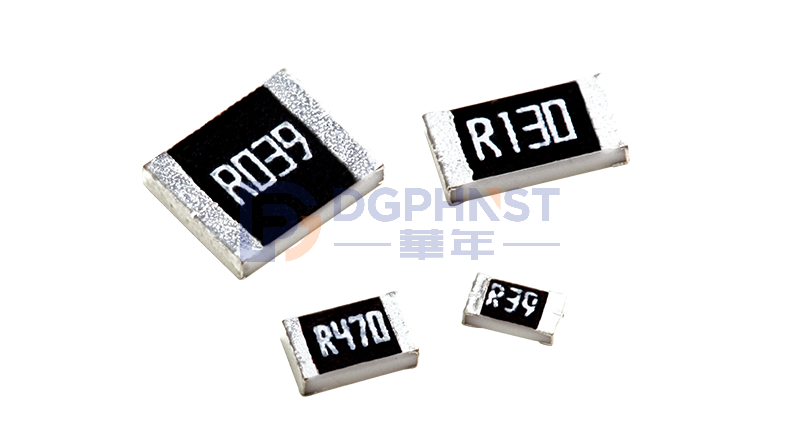
In the design of precision electronic circuits, thin film resistors are the core passive components that ensure signal stability, accuracy standards, and long-term reliability. Unlike traditional thick film resistors, they occupy an irreplaceable position in high-precision, low-noise, and low-temperature drift scenarios with vacuum sputtering technology and uniform film structure. This article provides a detailed explanation from multiple dimensions, including core parameters, product series, downstream applications, market structure, quality control, and mainstream brands, to help industry practitioners comprehensively grasp the core points of thin film resistor selection and procurement. At the same time, reliable supply channels are recommended to adapt to various research and production needs.

In precision electronic circuit design, thin film resistors have become the preferred component for engineers in high reliability scenarios due to their excellent high-precision characteristics, extremely low temperature coefficient, and long-term stability. Unlike thick film resistors, thin film resistors form nanoscale metal film layers on ceramic substrates through vacuum deposition technology, which endows them with excellent high-frequency performance and noise control capabilities. This article will provide a practical reference for selecting thin film resistors based on core parameters, mainstream series, typical applications, market patterns, and supply chain selection.
In the field of electronic design, the selection of resistors directly affects the stability, accuracy, and reliability of circuits. Faced with increasingly stringent demands in industrial, automotive, and medical applications, Viking Technology, with its profound accumulation of thin film process technology, has launched a series of thin film resistors that have become the preferred choice in high-end design. The advantages of Guangjie thin film resistors are not limited to a single feature, but stem from the comprehensive integration of materials science, process technology, and quality control, providing a solid and precise foundation for modern electronic products.
Viking thin film resistors, as key components in high-performance circuit design, play an important role in various precision electronic devices due to their excellent accuracy, stability, and reliability. The following will provide a detailed introduction to its technical characteristics, core advantages, and typical applications.
Ever Ohms Technology's thin film resistors provide ultra-high precision from ± 0.01% to high-power processing capability of 3W. The temperature coefficient of the TR series can be as low as ± 2ppm/℃, ensuring that the circuit remains stable over a wide temperature range of 55 ℃ to+175 ℃.
In precision circuit design, a small difference in resistance performance can lead to a deviation in the accuracy of the entire system. Tian'er thin film resistors have become a trusted choice for engineers with their ultimate stability.
Many engineers will consider whether high-precision thin film resistors can replace thick film resistors. In fact, this question cannot be simply answered with "yes" or "no", but requires a comprehensive analysis based on specific application scenarios, performance requirements, and cost factors.
Fenghua High tech Thin Film Resistors have the core advantages of high precision, high stability, and miniaturized design, and are widely used in high-end fields such as precision instruments, 5G communication, and automotive electronics. The following focuses on its core parameters and technical highlights from four dimensions: resistance characteristics, temperature stability, power tolerance, and environmental adaptability:
Fenghua High tech's thin film resistor product line mainly includes three series, each of which has been specially optimized for different application scenarios, as follows:
As one of the representatives of domestic high-end resistors, Fenghua thin film resistors have demonstrated excellent performance in numerous application scenarios due to their advantages in materials, processes, and design. Its core advantages are mainly reflected in the following aspects: